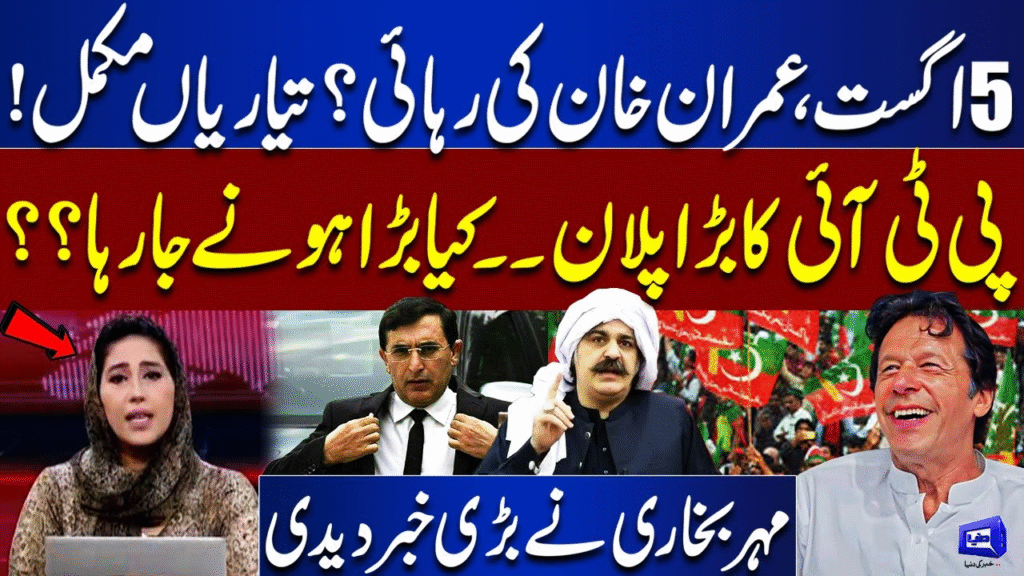
As Pakistan undergoes one of its most turbulent political chapters with the ongoing imprisonment of former Prime Minister Imran Khan, many around the world have been surprised by the silence of Donald Trump, the former and possibly future President of the United States.
Given the similarities between the two populist leaders — both loved by their base and controversial to the establishment — political observers expected Trump to voice support for Khan. Yet, his silence has raised eyebrows and sparked debate across global political circles, especially among Pakistani-Americans and international analysts.
The Trump–Imran Parallel
Imran Khan and Donald Trump share several common traits:
- Both were outsiders to traditional politics.
- Both gained popularity through mass movements and strong social media presence.
- Both claim to be victims of politically motivated legal cases.
- Both often criticize the “deep state” and media manipulation.
Because of these parallels, supporters of Imran Khan — especially in the US and UK — expected Trump to at least acknowledge the political crisis in Pakistan. But that hasn’t happened.
No Tweets. No Statements. No Support.
Despite being active on social media and making frequent statements about international politics, Donald Trump has not issued a single public comment on Imran Khan’s imprisonment or the political situation in Pakistan.
This has led many to question:
Why is Trump silent on Imran Khan?
Possible Reasons:
- Geopolitical Strategy
Trump may be avoiding public comments on Pakistan due to the sensitive nature of U.S.-Pakistan relations. His 2020 administration had mixed relations with Imran Khan, especially on issues like Afghanistan withdrawal and Chinese influence. - Domestic Focus
With the 2024 U.S. elections behind him and legal cases of his own, Trump is deeply focused on American politics. Commenting on foreign political matters might not align with his campaign strategy — especially if he sees no political benefit from it. - No Personal Bond
Despite surface-level similarities, there’s no strong personal relationship between Trump and Imran Khan. Their meetings were professional, but not personal. Trump tends to speak out for leaders with whom he has a direct bond (like Netanyahu or Modi), not necessarily for ideological allies. - Avoiding Controversy
The Pakistani military establishment remains powerful, and the U.S. has ongoing defense interests in the region. Supporting Imran Khan could damage diplomatic ties, which Trump may want to avoid — particularly if he returns to power.
Reaction from Pakistani-Americans
Trump’s silence hasn’t gone unnoticed among the Pakistani-American community, many of whom are politically active in U.S. elections. Social media platforms like Twitter (X) and TikTok are filled with comments from PTI supporters asking:
“Why is Trump not speaking for Imran Khan?”
“Is Trump afraid of upsetting the Pakistani establishment?”
“If Trump believes in justice, why is he ignoring this case?”
Some have even started petitions urging American politicians — including Trump — to speak up about human rights and democracy in Pakistan.
Comparison with Biden Administration
Ironically, the Biden administration, often criticized by the PTI base, has issued more diplomatic statements on democracy and fair elections in Pakistan than Trump has. This has added to the confusion and debate among Imran Khan’s global supporters.
The Bigger Picture
Donald Trump’s silence on Imran Khan’s case is a reminder that politics is rarely about personal similarities — it’s about strategic interests. While the two leaders may seem like ideological brothers, Trump appears unwilling to risk diplomatic consequences or complicate his own political comeback by taking sides in Pakistan’s internal affairs.
Final Thoughts
In a world where leaders like Imran Khan fight for democratic values and face political persecution, global figures — especially those who themselves claim to be victims of injustice — are expected to take a stand.